
Is It Really Love at First Sight?
 May 14, 2026
Last Updated on May 14, 2026 by Linda Dieffenbach
The Truth About Intense Attraction & Trauma Bonding
Have you ever felt so intensely connected to someone that it felt like it had to be love at first sight?
Most people have had some version of this experience. You meet someone, there is an immediate charge, and the connection feels intense right away. The conversation flows easily, it gets deep very quickly, and there is a sense of familiarity that makes it feel like you have known each other forever.
Because that experience feels so strong and so real, it we often interpret it as love.
But in most cases, what people call “love at first sight” is not actually love.
There is usually something much deeper happening underneath the surface. If left unrecognized, it leads to a very confusing, difficult, and painful relationship.
Why Some Connections Feel So Intense

When there is that immediate, overwhelming connection, what is often happening is that two people’s unhealed wounds are recognizing each other. Their wounds plug into each other, and because those wounds feel familiar, the connection can feel magnetic. It feels intense, emotionally charged, and very real, but that intensity is not necessarily an indication of a healthy connection. Often quite the opposite.
This is where your perception gets clouded and it often becomes difficult to see the dynamics of the relationship clearly. The intense connection creates a story that “this must be love”, or that this person must be “the one,” and that story overrides your ability to stay grounded in what is actually happening within yourself and the relationship.
Over time, we begin acting out our old, unhealed wounds with each other. What started as a strong connection quickly becomes unstable, unhealthy, and potentially toxic. Yet we tend to hold onto the relationship and keep trying to fix it because of that initial belief in “love a first sight”. We keep trying to reclaim that initial connection.
Understanding Traumatic Reenactment
Part of what drives this is something known as traumatic reenactment.
When our wounds from earlier traumatic experiences have not been fully processed, they become lodged and fester in our body and energy field. Their energy runs our lives in the background as they continue to seek healing and resolution. One of the ways this plays out is through relationships. This leads us to repeating dynamics where similar experiences show up again and again until we do the deeper work and heal those wounds.
This connection feels powerful because it is familiar, not necessarily because it is healthy.
Healthy Connection vs Unhealthy Attachment
It feels very different when you have a healthy connection.
Healthy connection absolutely includes attraction, chemistry, and emotional closeness, but it does not overwhelm your system or pull you away from yourself. There is a sense of grounding and clarity within it. You remain connected to yourself while you are connecting with them. There is no urgency to rush or merge your life with them immediately.
In unhealthy relationship dynamics, you often lose connection with yourself within the relationship. Instead of showing up whole and clear, you and your partner begin acting out of old wounds, emotional triggers, survival patterns, and unresolved pain. Together, you unconsciously reenact your unresolved history, creating a very toxic bond.
Slowing Down and Reconnecting with Self
When you notice that kind of intense, immediate pull toward someone, one of the most important things you can do is slow down and step back.
Instead of diving in quickly, create some space. Reconnect with your own body and your own awareness, and start paying attention to what is actually being activated within you.
- What feels familiar about this?
- Where do you feel the strong pull in your body?
- What patterns are coming up for you emotionally and relationally?
- What is this connection touching inside of you?
Space and self-inquiry helps you discern whether you are moving toward a healthy connection or stepping into something that simply feels familiar because it is connected to unresolved wounds and old survival patterns.
If this is something you recognize in your own experience, I go much deeper int the full video in our Trauma Healing Through the Chakras series. We’ll look at how these dynamics show up in the body, the nervous system, and the chakra system, and how to begin working with them more consciously.

And if you are recognizing these patterns in your own relationships and want deeper support in understanding what is happening and how to navigate it, I offer private coaching. Sometimes it can be difficult to see these dynamics clearly when you are in the middle of them. Especially when the emotional intensity feels so real. Working together, we’ll help you reconnect with yourself, understand the deeper roots of these patterns, and begin approaching relationships from a much more conscious, healthy, and grounded place moving forward. Sign up for a complimentary Breakthrough Discovery Call. We’ll explore your situation and see if we’re a good match for working together.
About Linda Dieffenbach, BSW, RMT
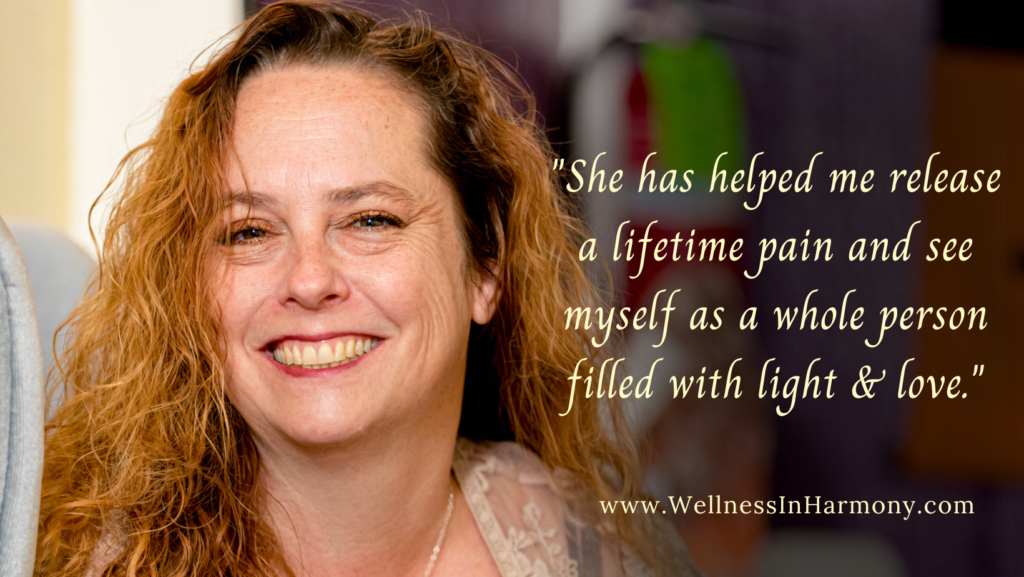
Linda is a trauma-informed energy healer, coach, and personal transformation guide with over 15 years of experience. Through her compassionate and intuitive approach, she helps people break free from the patterns that keep them stuck. She guides them to reconnect with their inner truth, build emotional resilience, and create meaningful change.
Her background includes extensive training in energy healing, personal empowerment, trauma recovery, stress relief, relationship health, and emotional well-being.
Learn more about Linda here.
Interested in working with Linda 1:1? Click here to schedule.
Disclaimer:
The content shared in this article and video is intended for educational and informational purposes only. It is not a substitute for medical, psychological, or mental health advice, diagnosis, or treatment. Always seek the guidance of a qualified healthcare provider or licensed mental health professional regarding any physical, emotional, or psychological concerns you may be experiencing. Never disregard professional medical advice or delay seeking support because of something you have read or viewed here.


